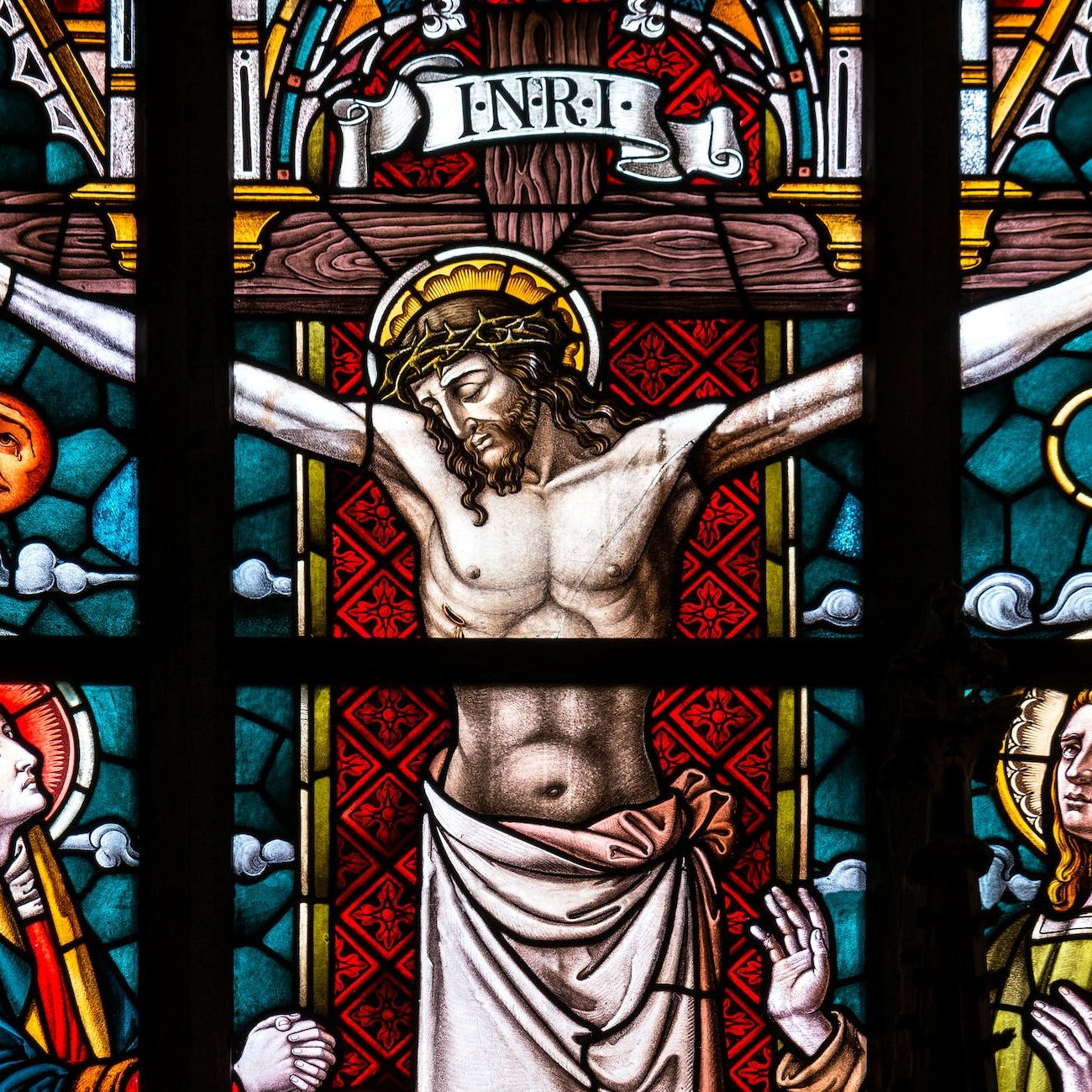
In a world where faith and relationship choices often intersect, individuals may find themselves navigating the delicate balance between their religious beliefs and the practice of ethical non-monogamy. This blog explores the intersection of faith, ethical non-monogamy, and the quest for inner harmony, shedding light on how different religions and belief systems approach various forms of non-monogamy.
Religion, Faith, and Ethical Non-Monogamy
Religion plays a significant role in shaping individuals’ moral and ethical frameworks, including views on relationships and sexuality. Many religious traditions advocate for monogamous, heterosexual marriages as the ideal. However, some people find that ethical non-monogamy aligns more closely with their values and desires. This can create inner conflict when religious teachings clash with personal relationship choices.
The Weight of Guilt and Societal Judgment
Guilt often arises when religious teachings conflict with one’s decision to embrace ethical non-monogamy. Society can be harsh in its judgment of those who choose non-monogamous relationships, stigmatizing them as immoral or deviant. This societal judgment can compound feelings of guilt and shame.
Examples of Non-Monogamy in Different Religions:
- Christianity: While mainstream Christianity predominantly promotes monogamous marriages, some Christian sects historically practiced forms of polygamy. For instance, the early Mormons practiced polygamy until it was officially abandoned in the late 19th century.
- Islam: Islamic tradition allows for polygyny, where a Muslim man may have up to four wives simultaneously, provided he treats them justly. However, this practice is subject to various interpretations and cultural influences.
- Hinduism: Hinduism historically acknowledged polyandry (one woman with multiple husbands) in certain communities and texts. Draupadi, a prominent character in the Mahabharata, is an example of polyandry in Hindu mythology.
- Buddhism: Some Tibetan Buddhists have practiced fraternal polyandry, where brothers share a wife, as a way to preserve land and resources in rural areas.
- Ethical Non-Monogamy: In recent years, individuals from various faiths have embraced ethical non-monogamy, which includes polyamory, open relationships, and relationship anarchy. These practices prioritize communication, consent, and honesty among partners.
Finding Inner Harmony: A Personal Journey
Ultimately, the intersection of religion and non-monogamy is deeply personal. Each person’s journey is unique, influenced by their religious background, personal beliefs, and cultural context. It’s crucial to respect individual choices and the diverse ways in which people navigate these complex terrains. Here are some steps to help you find inner harmony:
- Self-Exploration: Begin by exploring your religious beliefs, values, and desires. Understand that ethical non-monogamy is a consensual and respectful approach to relationships.
- Reflect on Your Faith: Consider whether there are interpretations or aspects of your religion that align with ethical non-monogamy or support your journey towards understanding and acceptance.
- Seek Guidance: Reach out to trusted religious leaders or spiritual advisors who may offer guidance and insights on the compatibility of your faith and non-monogamous practices.
- Communication is Key: If you’re in a relationship, engage in open and honest communication with your partners. Discuss your beliefs, desires, and concerns openly to ensure everyone is on the same page and respects each other’s boundaries.
- Self-Acceptance: Embrace self-acceptance and self-love as you navigate this complex terrain. Your choices are valid, and you have the right to live authentically. Especially when pursuing non-monogamy represents a fundamental aspect of your identity and happiness.
- Decision-Making: When deciding whether to retain your religious identity while embracing ethical non-monogamy, consider your values, the teachings of your faith, and your personal growth journey. It’s a deeply personal decision, and there is no one-size-fits-all answer.
Tips for Deciding to Retain Your Religious Identity:
- Educate Yourself: Gain a deep understanding of your faith’s teachings, history, and values. This knowledge will empower you to make informed decisions.
- Engage in Dialogue: Seek out discussions with religious leaders or members of your faith community who may have diverse perspectives on non-monogamy.
- Reflect on Your Values: Consider what aspects of your faith are most meaningful to you and how they align with your ethical non-monogamous lifestyle.
- Personal Growth: Assess whether your journey towards ethical non-monogamy is contributing to your personal growth, self-discovery, and happiness.
- Community Support: Connect with others who share similar experiences and values. Supportive communities can provide guidance and validation.
Navigating the intersection of faith and ethical non-monogamy can be a profound journey of self-discovery and acceptance. Remember that your path is unique, and you deserve understanding and acceptance, both from yourself and those around you.