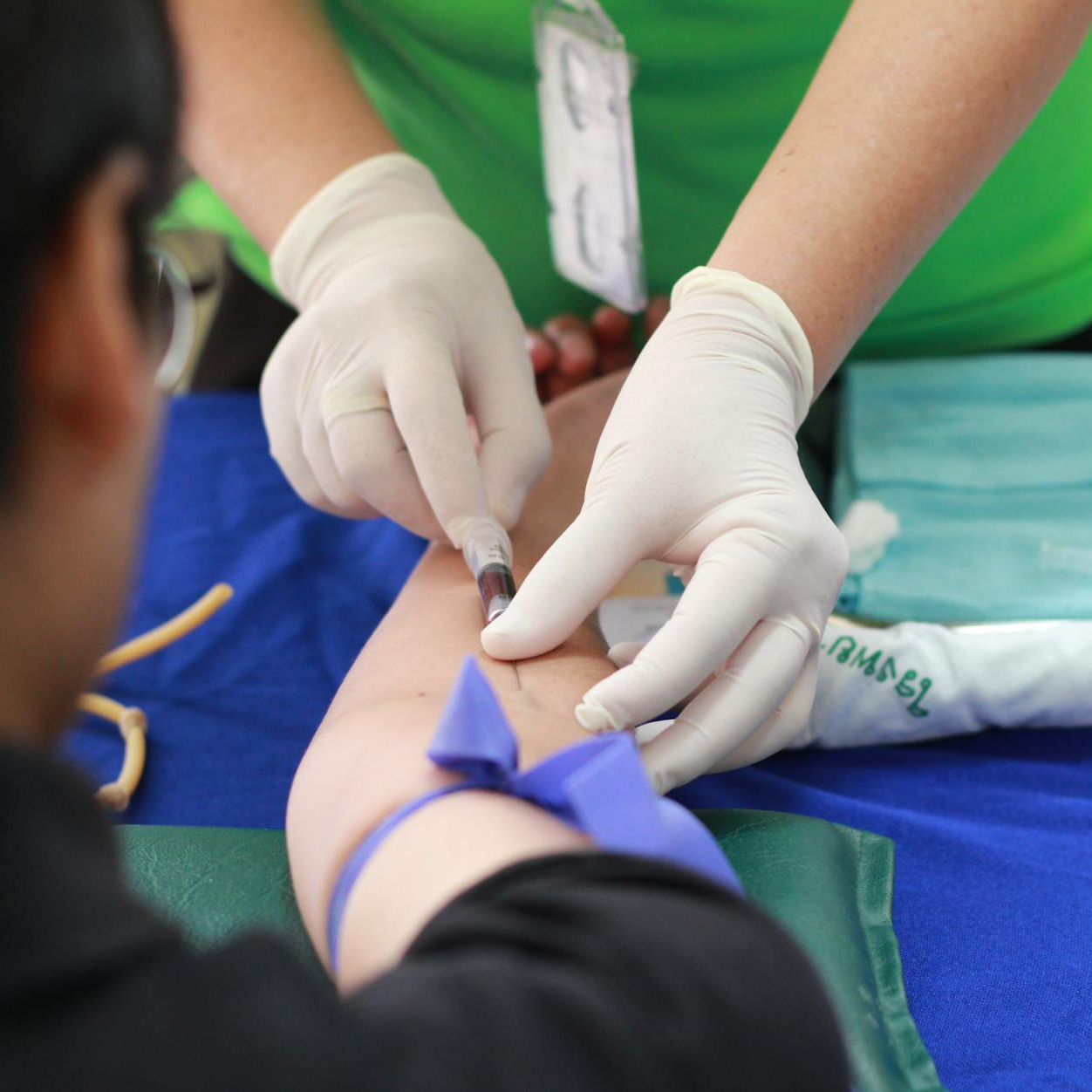
Polyamorous relationships, like all relationships, thrive on trust, communication, and mutual respect. Managing sexual health, including the prevention and management of sexually transmitted infections (STIs), is essential to maintaining healthy dynamics. Here’s a friendly guide to understanding STIs in the context of polyamory, with practical advice and insights.
Understanding STIs: The Basics
STIs, also known as sexually transmitted diseases (STDs), are infections commonly spread through sexual contact. They can be caused by bacteria, viruses, or parasites and can affect anyone who is sexually active. Here’s a quick rundown of some common STIs and how they can be treated:
Curable STIs:
- Chlamydia: A bacterial infection that can be cleared up with antibiotics. It’s important to get tested regularly because it often doesn’t show symptoms but can lead to serious health issues if left untreated.
- Gonorrhea: Another bacterial infection treatable with antibiotics. Some strains are becoming resistant, so it’s essential to follow medical advice carefully.
- Syphilis: This bacterial infection is curable, especially in its early stages, with antibiotics like penicillin. Early detection is key to preventing complications.
- Trichomoniasis: Caused by a parasite, trichomoniasis can be treated with prescription medication.
Incurable but Manageable STIs:
- Human Immunodeficiency Virus (HIV): While there’s no cure for HIV, modern antiretroviral therapy (ART) can effectively manage the virus, allowing individuals to live long, healthy lives and reducing the risk of transmission.
- Herpes Simplex Virus (HSV): There’s no cure for herpes, but antiviral medications can help manage outbreaks and reduce the risk of spreading it.
- Human Papillomavirus (HPV): Many HPV infections clear on their own, but some strains can lead to cancer. Vaccination can prevent the most dangerous strains, and regular screenings can help catch any issues early.
- Hepatitis B: Although there’s no cure, hepatitis B can be managed with medication. Vaccination is highly effective in preventing infection.
The Importance of Communication and Consent
In polyamorous relationships, open and honest communication is crucial, especially when it comes to sexual health. Partners should feel comfortable discussing their STI status, sexual histories, and any potential risks. This openness builds trust and ensures everyone is informed and consenting.
Key aspects of communication include:
- Discussing STI Testing: Regular testing is essential. Partners should agree on how often to get tested and share results openly.
- Sharing Boundaries and Comfort Levels: Everyone may have different comfort levels regarding sexual activities, condom use, and other safety measures. Respecting these boundaries is key to maintaining a safe and consensual environment.
STI Prevention Strategies
- Regular Testing: Regular STI testing is recommended for anyone who is sexually active, especially if you have multiple partners. The Centers for Disease Control and Prevention (CDC) advises at least yearly testing for common STIs.
- Using Protection: Condoms and dental dams can significantly reduce the risk of STI transmission. They’re not foolproof, but they’re effective against many infections, including HIV and gonorrhea.
- Vaccinations: Vaccines, like those for HPV and hepatitis B, can protect against certain STIs. The HPV vaccine, for example, is recommended for people up to age 26 and can prevent the types that cause most genital warts and cervical cancers.
- Limiting Substance Use: Alcohol and drugs can impair judgment and lead to risky sexual behaviors. Being mindful of substance use can help you make safer choices.
- Negotiating Safer Sex Agreements: In polyamorous relationships, partners often create agreements about STI prevention. These might include rules about condom use, testing frequency, and how to handle new partners.
What to Do If an STI is Contracted in Polyamorous Relationships
Learning that you or a partner has contracted an STI can be challenging, but handling the situation with care and responsibility is essential for maintaining trust and health in the relationship. Here’s how to approach these scenarios:
If a Partner Has Contracted an STI
- Open Communication: Have an open and honest conversation with your partner about their diagnosis. Understanding the nature of the STI, how it was contracted, and the necessary steps for treatment and prevention is crucial.
- Seek Medical Advice: Make sure your partner follows medical treatment and advice. This may include taking medication, making lifestyle changes, and temporarily abstaining from certain activities to prevent transmission.
- Get Tested Promptly: Get tested as soon as possible after learning about a partner’s STI diagnosis, even if you have no symptoms. Early testing helps detect and treat infections and prevent further spread. It’s important to note that different STIs have different window periods—the time between exposure to the infection and when it can be detected by a test. For example, HIV might not show up in tests for 2-4 weeks after exposure, while gonorrhea and chlamydia can often be detected within a few days.
- Inform Other Partners: It’s important to inform all other sexual partners promptly after discovering the STI. This transparency allows them to get tested and take preventive measures. Ideally, communicate with all partners within 24 hours to ensure everyone’s health and safety.
- Update Safer Sex Agreements: Reevaluate and, if necessary, update your safer sex practices and agreements with all partners. This might involve increased condom use, more frequent testing, or adjusting the level of physical intimacy.
- Offer Support: Provide emotional support to your partner. Contracting an STI can be stressful and stigmatizing; your support can make a significant difference in their emotional well-being.
If You Have Contracted an STI
- Inform Your Partners: It’s crucial to inform all sexual partners about your diagnosis as soon as possible. This transparency allows them to take appropriate actions, such as getting tested and adjusting their sexual health practices.
- Follow Medical Guidance: Adhere strictly to the treatment plan provided by your healthcare provider. Complete any prescribed medication courses and attend follow-up appointments to ensure the infection is fully treated.
- Reflect on Safer Sex Practices: Consider how the STI was contracted and evaluate your current safer sex practices. This might involve discussions with partners about changes to behavior, such as increased condom use or changing the frequency of testing.
- Take Care of Your Emotional Health: It’s normal to feel a range of emotions after an STI diagnosis, from guilt to anxiety. Seek support from friends, counselors, or support groups to process these feelings in a healthy way.
- Prevent Future Transmission: Take steps to prevent future transmission, both to your partners and to yourself. This includes practicing safer sex and possibly re-negotiating relationship agreements to align with a heightened focus on sexual health.
Studies Comparing STI Discussions and Testing Among Polyamorous and Monogamous People
Research comparing STI discussions and testing behaviors between polyamorous and monogamous individuals offers some interesting insights:
- Communication and Transparency: Studies suggest that people in polyamorous relationships often engage in more frequent and explicit discussions about STIs, sexual health, and testing compared to monogamous individuals. This may be because polyamorous relationships inherently require navigating multiple partnerships, leading to a higher emphasis on clear communication and mutual understanding.
- Testing Frequency: Polyamorous individuals tend to get tested for STIs more frequently than those in monogamous relationships. This proactive approach is likely a response to the increased risk of exposure due to multiple partners. Interestingly, this increased testing does not necessarily correlate with higher rates of STI transmission; rather, it suggests a more vigilant approach to sexual health.
- Risk Management Practices: Structured risk management practices, such as regular testing schedules and explicit safer sex agreements, are more common among polyamorous individuals. These measures help reduce the risk of STI transmission and ensure all partners are aware of each other’s health status. In contrast, monogamous couples may not discuss or implement these measures as often, potentially due to assumptions about reduced risk.
- Stigma and Education: There is some evidence to suggest that people in polyamorous relationships may be more informed about STIs and safer sex practices. This could be due to a combination of factors, including the need to navigate complex relationship dynamics and a desire to counteract societal stigma by being well-informed and responsible.
These findings highlight the importance of regular testing, open communication, and informed practices in all relationship structures. They underscore that proactive sexual health management is crucial, whether one is in a monogamous or polyamorous relationship.
Resources and Support
For those navigating STI prevention and management in polyamorous relationships, several resources can provide guidance and support:
- Healthcare Providers: Regular consultations with a healthcare provider are vital for testing, treatment, and advice tailored to your situation.
- Community Support: Online forums and local support groups, such as those found through the Polyamory Society or Polyamory.com, offer spaces to share experiences and seek advice.
- Educational Resources: Websites like Planned Parenthood and the CDC provide up-to-date information on STIs, prevention, and sexual health.
Conclusion: Prioritizing Health and Safety
Managing STIs in polyamorous relationships is about prioritizing health, safety, and respectful communication. By staying informed, practicing safe sex, and engaging in open dialogues, partners can maintain healthy relationships and protect each other’s well-being. Remember, sexual health is an ongoing journey that requires vigilance and care. Whether you are new to polyamory or a seasoned participant, prioritizing these practices will help ensure a fulfilling and safe experience for all involved.
Sources
- CDC. (2020). Sexually Transmitted Diseases (STDs). Retrieved from https://www.cdc.gov/std/
- Mayo Clinic. (2021). Sexually Transmitted Diseases (STDs). Retrieved from https://www.mayoclinic.org/
- CDC. (2019). Recommendations for Providing Quality STD Clinical Services, 2020. Retrieved from https://www.cdc.gov/std/treatment/
- Planned Parenthood. (n.d.). Safer Sex. Retrieved from https://www.plannedparenthood.org/
- WHO. (2016). Human papillomavirus (HPV) and cervical cancer. Retrieved from https://www.who.int/news-room/fact-sheets/detail/human-papillomavirus-(hpv)-and-cervical-cancer